Introduction
Imagine tracking wildlife in a dense forest, diagnosing a health condition, or monitoring ocean ecosystems—all by listening to the sounds of life. Bioacoustics sensing, a fascinating technology, harnesses sound to study living organisms, from animals to humans, offering insights into their behavior, health, and environments. By capturing and analyzing sounds like animal calls, heartbeats, or even plant vibrations, bioacoustics sensing is transforming fields like conservation, healthcare, and agriculture. This article explores what bioacoustics sensing is, how it works, its real-world applications, current trends, and its potential to connect us with the natural world, all in an engaging and accessible way.
What is Bioacoustics Sensing?
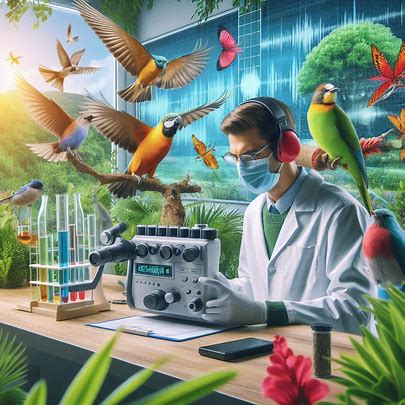
Bioacoustics sensing involves the use of advanced technology to capture, analyze, and interpret sounds produced by living organisms or their environments. These sounds—ranging from bird songs to human respiratory patterns—carry valuable data about behavior, health, or ecological conditions. Unlike traditional observation methods, bioacoustics uses microphones, sensors, and artificial intelligence (AI) to process sound data with precision and scale.
Key Components of Bioacoustics Sensing
- Sound Capture: Specialized microphones or hydrophones (for underwater use) record sounds, often in challenging environments like forests or oceans.
- Signal Processing: Algorithms filter and analyze audio to identify patterns, such as specific animal calls or abnormal heart sounds.
- AI and Machine Learning: AI models classify sounds, detect anomalies, or predict behaviors based on acoustic data.
- Data Integration: Combines sound data with other sources, like GPS or environmental sensors, for comprehensive insights.
For example, a bioacoustics sensor in a jungle might record monkey vocalizations, which AI then analyzes to track population health without disturbing the animals.
How Bioacoustics Sensing Works
Bioacoustics sensing follows a systematic process to turn sound into actionable insights:
- Sound Collection: Devices like directional microphones or underwater hydrophones capture audio signals from organisms or their surroundings.
- Data Preprocessing: Noise reduction techniques isolate relevant sounds, removing background interference like wind or traffic.
- Analysis: AI algorithms identify and classify sounds, such as distinguishing a wolf howl from a coyote’s or detecting irregular heartbeats.
- Interpretation: The processed data provides insights, such as tracking migration patterns or diagnosing medical conditions.
- Action: Results inform decisions, like adjusting conservation strategies or alerting doctors to health issues.
For instance, a wearable bioacoustics device might monitor a patient’s breathing, detect wheezing, and alert healthcare providers to potential respiratory issues in real-time.
Real-World Applications of Bioacoustics Sensing
Bioacoustics sensing is making waves across diverse fields, offering non-invasive and scalable solutions.
Wildlife Conservation
Bioacoustics helps monitor endangered species and ecosystems. For example, Cornell University’s Elephant Listening Project uses acoustic sensors to track African forest elephants by their low-frequency rumbles, aiding conservation efforts in remote areas. Similarly, Rainforest Connection deploys solar-powered microphones in jungles to detect illegal logging by analyzing chainsaw sounds.
Healthcare
In medicine, bioacoustics enables non-invasive diagnostics. Wearable devices, like those developed by Sonavi Labs, analyze lung sounds to detect conditions like asthma or pneumonia. Heart sound analysis can identify murmurs, helping cardiologists diagnose issues without invasive procedures.
Agriculture
Farmers use bioacoustics to monitor livestock health. Sensors detect vocalizations from animals like cows or chickens, indicating stress, illness, or hunger. For instance, the University of Georgia’s bioacoustics systems analyze poultry sounds to optimize farm conditions, improving animal welfare and productivity.
Marine Biology
Underwater hydrophones monitor marine life, from whale songs to coral reef activity. The Ocean Tracking Network uses bioacoustics to study fish populations, helping manage fisheries sustainably. It can also detect ship noise pollution, protecting marine ecosystems.
Environmental Monitoring
Bioacoustics tracks environmental changes, like bird migration patterns affected by climate change. The British Trust for Ornithology uses acoustic sensors to study bird populations, revealing shifts in habitats due to global warming.

Current Trends in Bioacoustics Sensing
As of June 2025, bioacoustics sensing is advancing rapidly, driven by technological innovations and growing environmental and health concerns. Here are key trends:
AI-Powered Analysis
Machine learning enhances bioacoustics by automating sound classification. Tools like Google’s Bioacoustics Platform use AI to identify species from audio, scaling conservation efforts. In healthcare, AI improves diagnostic accuracy by analyzing subtle sound variations.
Miniaturized Sensors
Compact, low-cost microphones and sensors are expanding bioacoustics’ reach. Wearable devices for humans and lightweight sensors for wildlife, like those from Wildlife Acoustics, enable broader deployment in remote or resource-limited settings.
Integration with IoT
Bioacoustics sensors are pairing with the Internet of Things (IoT) for real-time data sharing. For example, IoT-enabled hydrophones in oceans send data to cloud platforms, allowing researchers to monitor marine ecosystems globally.
Citizen Science
Apps like eBird and Merlin Bird ID engage the public in bioacoustics by letting users record and identify bird calls. These platforms crowdsource data, aiding large-scale ecological research while raising awareness.
Sustainability Focus
Bioacoustics supports environmental sustainability by monitoring ecosystems non-invasively. Projects like the Soundscapes to Landscapes initiative use acoustic data to assess biodiversity, guiding policies to combat habitat loss.
Benefits of Bioacoustics Sensing
Bioacoustics sensing offers compelling advantages:
- Non-Invasive: Captures data without disturbing organisms or ecosystems.
- Scalability: Automated systems analyze vast amounts of audio, covering large areas or populations.
- Cost-Effective: Reduces the need for labor-intensive field observations or invasive medical tests.
- Real-Time Insights: Enables rapid responses, like detecting poaching or health emergencies.
- Versatility: Applicable across wildlife, healthcare, agriculture, and environmental monitoring.
Challenges of Bioacoustics Sensing
Despite its potential, bioacoustics faces hurdles:
- Background Noise: Environmental sounds like wind or traffic can interfere with recordings, requiring advanced filtering.
- Data Complexity: Analyzing diverse sounds, like overlapping animal calls, demands sophisticated AI models.
- Power Constraints: Remote sensors need energy-efficient designs or renewable power sources like solar.
- Privacy in Healthcare: Recording human sounds raises ethical concerns about data security.
- Accessibility: High costs of advanced sensors can limit adoption in developing regions.
Addressing these requires innovations in AI, hardware, and ethical frameworks.
The Future of Bioacoustics Sensing
Bioacoustics sensing is poised to transform how we understand and interact with the natural world. By 2030, experts predict:
- Global Biodiversity Monitoring: Networks of acoustic sensors will track ecosystems worldwide, aiding conservation.
- Personalized Healthcare: Wearable bioacoustics devices will monitor chronic conditions, integrating with telemedicine.
- Smart Agriculture: Farmers will use real-time acoustic data to optimize livestock and crop health.
- Climate Adaptation: Bioacoustics will track environmental shifts, informing climate change strategies.
Investment in affordable sensors, AI, and public engagement will ensure bioacoustics’ benefits reach diverse sectors.

Conclusion
Bioacoustics sensing is a powerful tool, turning the sounds of life into actionable insights for conservation, healthcare, and beyond. By listening to nature and the human body, it offers non-invasive, scalable solutions to global challenges. As trends like AI integration, IoT, and citizen science drive its growth, bioacoustics promises a future where we better understand and protect our world. By overcoming challenges like noise and accessibility, this technology can amplify the symphony of life, connecting us more deeply to our environment and each other.